


Hello, aspiring freelancer! Have you ever dreamt of ditching the 9-to-5 grind and being your boss? You’re in the right place. Freelancing offers a unique blend of freedom, flexibility, and the opportunity to work on projects that genuinely excite you. But let’s be honest – it’s not all lounging in your pajamas and sipping coffee while casually tapping away on your laptop. It takes hard work, dedication, and a bit of strategic planning to turn your freelance dreams into a thriving career.
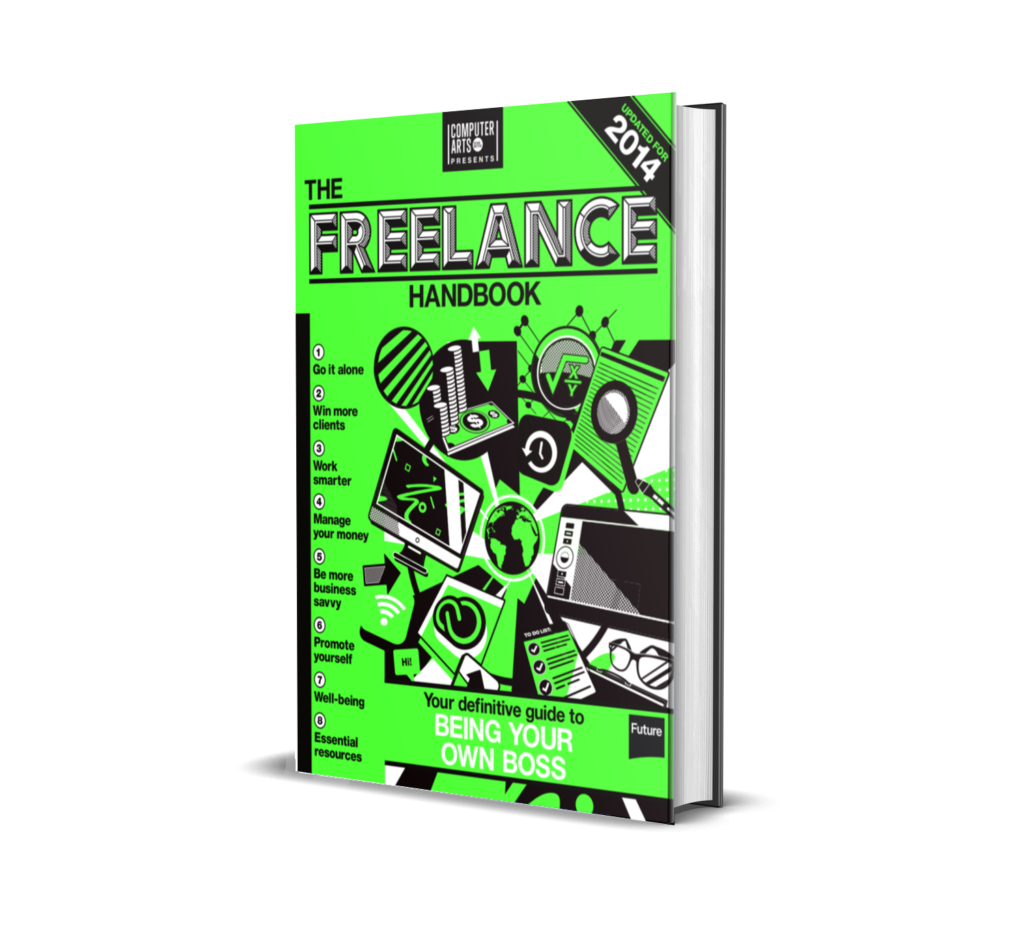
This ultimate guide will explore the insights and strategies from “The Freelance Handbook,” which I will give you access to that book somewhere in this article, so keep Learning and make it yours. This isn’t just another dry, how-to manual; it’s packed with practical advice, real-world examples, and friendly guidance from a seasoned freelancer over a cup of coffee. Whether you’re just starting or looking to level up your freelance game, this article has something for everyone.
We’ll cover everything from going it alone to winning clients, managing your time, and handling the financial side of freelancing. Plus, we’ll share tips on promoting yourself and maintaining your well-being in the often chaotic world of freelancing. So, buckle up and get ready to take control of your career – because the freelance life you’ve always wanted is just around the corner. Let’s get started!
19 High-Paying Freelance Jobs on Upwork in 2024/2025 (The Last One Will Shock You!)
Don’t Miss Out

1. Going It Alone: The Basics of Freelancer
Freelancing offers freedom – no annoying boss, no rigid schedules. But it’s not all sunshine and rainbows. It would help you to be disciplined, manage your time well, and prepare for irregular paychecks. Before you leap, ensure you’ve got what it takes: independence, determination, and a pinch of ambition.
Pros
- Flexibility: The freedom to work when and where you want is unmatched. You set your schedule, whether you are an early bird or a night owl. This flexibility is perfect for those with other commitments, like family or side projects.
- Control: You decide which projects to take on, allowing you to align your work with your passions and expertise. This control can lead to more satisfying and enjoyable work experiences.
- Earning Potential: Unlike a salaried job, your income isn’t capped. The more complex and more intelligent you work, the more you can earn. Plus, you can diversify your income streams by taking on multiple clients.
Cons
- No Paid Leave: Freelancers don’t get paid holidays or sick leave. If you’re not working, you’re not earning. This lack of benefits requires careful planning and saving.
- Isolation: Working solo can get lonely. You won’t have colleagues to chat with during coffee breaks, and the lack of social interaction can harm your mental health.
- Financial Instability: Income can be unpredictable. Some months, you’ll be flush with cash; others, you might struggle. Managing your finances is crucial to avoid the stress of these fluctuations.

To succeed as a freelancer, you must embrace and prepare for these challenges. Set up a dedicated workspace, establish a routine, and always have a backup plan. Building a support network of fellow freelancers can also provide invaluable advice and camaraderie.
2. Winning Clients
Getting clients is the lifeblood of freelancing. It’s all about networking, marketing yourself, and sometimes, hustling hard.
Networking is important as Freelancer.
Industry Events: Attend conferences, workshops, and meetups related to your field. These events are gold mines for making connections. Carry business cards, practice your elevator pitch, and don’t be afraid to approach people.


Online Communities: Join forums, social media groups, and professional networks like LinkedIn. Engage in discussions, share your expertise, and offer help. Building an online presence can attract clients who appreciate your insights.
Referrals: Happy clients are your best promoters. Ask for referrals and testimonials. Offer referral incentives, like discounts on future work, to encourage your clients to spread the word.
Marketing
Portfolio: A killer portfolio is essential. It should showcase your best work, highlight your skills, and demonstrate your value. Include case studies that show the results you’ve achieved for clients.
Social Media: Maintain an active LinkedIn, Twitter, and Instagram presence. Share your work, industry news, and personal insights. Engaging content can attract followers and potential clients.
Personal Website: As a freelancer, a professional website acts as your online business card. It should include your portfolio, services, testimonials, and contact information. A blog section can boost your SEO and establish you as an authority in your field.

Pitching
Perfect Your Pitch: As a freelancer, your pitch should be clear, concise, and compelling. Highlight what sets you apart, how you can solve the client’s problem, and why they should choose you. Tailor your pitch to each client’s specific needs.
Follow-up: Be bold and follow up if you are still waiting to hear back. Persistence can pay off. Just be polite and professional in your follow-ups.
Showcase Value: Emphasize the value you bring to the table. How can you save the client time or money? How can you help them achieve their goals? Demonstrating tangible benefits can make a big difference.
3. Working Smarter, Not Harder
Time management is crucial. Use tools and apps to keep track of projects and deadlines. Learn keyboard shortcuts, automate repetitive tasks, and continuously hone your skills to stay ahead.
Time Management
Set Goals: Define clear, achievable goals for each day, week, and month. Prioritize tasks based on importance and deadlines.
Pomodoro Technique: Break your work into intervals (usually 25 minutes) with short breaks. This technique can boost productivity and prevent burnout.
Task Lists: Use task management tools like Trello, Asana, or Todoist to keep track of your tasks. Break projects into smaller, manageable tasks and check them off as you go.
Tools and Apps
Project Management: Tools like Trello, Asana, and Basecamp help you organize your projects, collaborate with clients, and keep track of deadlines.
Time Tracking: Apps like Toggl and Harvest let you track how much time you spend on each task. This data can help you invoice accurately and understand where your time goes.
Automation: Use tools like Zapier to automate repetitive tasks. For example, you can automatically save email attachments to Google Drive or sync your calendar events.

Skill Development
Continuous Learning: Stay current with the latest trends and skills in your industry by taking online courses, attending webinars, and reading industry blogs.
Feedback: Ask for feedback from clients and peers. Constructive criticism can help you improve your skills and service quality.
Experiment: Feel free to try new tools and techniques. Experimenting can lead to more efficient work and better results for your clients.
4. Money Matters
Money management can make or break your freelance career. Let’s see what things to consider in this aspect.
Billing
Professional Invoices: Create professional invoices using invoicing software like FreshBooks, QuickBooks, or Wave. Include all necessary details, including services rendered, payment terms, and due dates.
Clear Terms: Set clear payment terms in your contracts. Specify when payments are due, late fees, and any upfront payments required.
Follow-up: If a payment is late, follow up promptly. Be polite but firm in reminding clients of their obligations.
Cash Flow
Buffer: Always have a financial buffer to cover at least three to six months of living expenses. This cushion can help you survive slow periods.
Budgeting: Create a budget for your business and personal expenses. Track your income and expenses regularly to avoid surprises.
Savings: Save a portion of your income for taxes, retirement, and emergencies. Consider opening a separate account for these savings.
Taxes
Understand Obligations: Freelancers are responsible for their taxes. Understand your local tax laws and obligations.
Hire an Accountant: If taxes confuse you, hire an accountant. They can help you with deductions, filing, and planning.
Keep Records: Keep meticulous records of all your income and expenses. This documentation is crucial for tax purposes and financial planning.

5. Be Business Savvy
Freelancing is a business, so treat it like one. Understand contracts, know your rights and don’t hesitate to negotiate.
Contracts
Clarity: Ensure your contracts are clear and comprehensive. Include details about the scope of work, deadlines, payment terms, and intellectual property rights.
Templates: Use contract templates as a starting point, but customize them for each project. Tools like HelloSign and DocuSign can help with digital signatures.
Legal Advice: If you need clarification on contract terms, seek legal advice. A lawyer can help you draft or review contracts to protect your interests.
Negotiation
Know Your Worth: Research industry rates and set your pricing accordingly. Don’t undersell yourself. Confidence in your value can help you negotiate better deals.
Value Proposition: Focus on your value rather than just the cost. Clients often pay more for high-quality work that meets their needs.
Be Flexible: While standing your ground is necessary, be open to negotiation. Finding a middle ground can lead to long-term client relationships.

6. Promoting Yourself
Marketing is ongoing. Keep your portfolio updated, engage with your audience on social media, and network continuously. Attend industry events, and don’t shy away from entering competitions or submitting your work for awards.
Portfolio
Update Regularly: Keep your portfolio up-to-date with your latest and best work. Highlight projects that showcase a variety of skills and industries.
Case Studies: Include detailed case studies that outline the challenges, your approach, and the results. These stories can demonstrate your problem-solving skills and impact.
Testimonials: Collect and display testimonials from satisfied clients. Positive feedback can build trust and credibility with potential clients.
Social Media
Consistency: Post regularly on platforms like LinkedIn, Twitter, and Instagram. Share your work, industry insights, and personal updates to engage your audience.
Engagement: Respond to comments, participate in discussions, and engage with your followers. Building a community around your brand can attract loyal clients.
Content: Mix your content with articles, videos, infographics, and behind-the-scenes looks at your work process. Variety keeps your audience interested.
Networking
Online and Offline: To expand your network, attend online and offline events. Conferences, webinars, and local meetups can be great opportunities to connect.
Follow up: After meeting someone new, follow up with a friendly email or message. Building relationships takes time, so stay in touch.
Value: Offer value to your network. Share resources, provide feedback, and support others. A giving attitude can lead to reciprocal relationships.

Don’t Miss Out
7. Well-being
As a freelancer, Freelancing can be stressful. Maintain a work-life balance, avoid burnout, and make time for yourself.
Burnout
Boundaries: Set clear boundaries between work and personal time. Avoid working late into the night or on weekends unless necessary.
Breaks: Take regular breaks throughout the day. Step away from your desk, stretch, and clear your mind.
Vacations: Plan and take vacations. Time away from work can recharge your batteries and boost creativity.
Work-life Balance
Routine: Establish a routine that separates work from home life. Create a designated workspace and stick to regular working hours if you work from home.
Hobbies: Make time for hobbies and activities you enjoy. Pursuing interests outside of work can reduce stress and improve overall well-being.
Social Life: Stay connected with friends and family. Social interactions can provide support and a sense of community.

Mental Health
Mindfulness: Practice techniques like meditation, deep breathing, or yoga to manage stress and stay grounded.
Support: As a freelancer, Seek support if you’re struggling. Talking to a friend, mentor, or therapist can provide a valuable perspective and help you navigate challenges.
Self-care: Prioritize self-care. Eat well, exercise regularly, and get enough sleep. Taking care of your physical health can improve your mental resilience.
Conclusion
Freelancing is a journey filled with ups and downs, but it can be gratifying with the right approach. Equip yourself with the right tools, stay motivated, and keep pushing forward. You’ve got this!
That was summary. I am providing you The Freelance Handbook, an invaluable resource for anyone looking to enter the freelance world. By following these tips and strategies, you’ll be on your way to a successful and fulfilling freelance career. So, take the plunge, embrace the freelance lifestyle, and start building your dream career.


Great motivation for anyone starting freelancing! The journey to advanced level is all about consistency and skill growth 🚀
Thank you! 🙌 Exactly — with continuous learning and persistence, anyone can level up and build a strong freelance career.